Table of contents
Preparing for your motorcycle skills test is a vital step toward achieving the freedom and thrill of riding legally on the road. Many aspiring riders feel both excitement and nervousness as the testing day approaches, making preparation all the more vital. Explore the following guide to discover how to approach each stage with confidence and maximize your chances of success.
Understand test requirements
The motorcycle skills test requirements vary by region, but typically include a minimum age threshold, provision of valid identification, and completion of any mandatory training or written tests prior to the practical exam. Anyone seeking to demonstrate motorcycle test eligibility should consult their local licensing authority’s motorcycle licensing rules to confirm all documentation, such as proof of residency and legal presence, is current and accurate. A comprehensive pre-test checklist ensures candidates are not turned away on the day of the assessment due to missing paperwork or overlooked prerequisites.
During the pre-test assessment, candidates will be evaluated on a range of motorcycle exam criteria, including the ability to perform maneuvers like controlled starts, tight turns, figure-eights, and quick stops. Knowledge of proper signaling, balancing under various conditions, and adherence to traffic rules is also assessed. The most authoritative person, such as a certified examiner or licensing official, should detail all necessary prerequisites and definitions to guarantee a clear understanding of what competencies and skills will be measured. This organized approach to preparation maximizes the likelihood of meeting all motorcycle skills test requirements on the first attempt.
Master safe riding techniques
Developing strong motorcycle handling skills is fundamental for anyone preparing to take a motorcycle skills test. Candidates will be required to demonstrate several riding techniques for test success, such as controlled stops, figure-eights, and precise obstacle avoidance. Practicing these practice motorcycle maneuvers regularly not only boosts confidence but also helps to ingrain the muscle memory needed for safe motorcycle riding. Attention to riding proficiency is vital: incorrect posture during a figure-eight, inconsistent throttle control, or sloppy braking can result in point deductions or even test failure. Practicing in a secure, open area and simulating test conditions are recommended riding test tips, ensuring readiness for any scenario presented during the evaluation.
The examiner, often the person with the highest authority during the test, will closely observe each candidate's ability to execute these maneuvers smoothly and safely. Proper form in each task is directly linked to road safety, as these exercises mimic real-world situations where effective control is needed to avoid hazards. Failing to demonstrate correct technique not only risks failing the test, but could also lead to dangerous habits on the road. For those looking for additional guidance and requirements specific to Texas, continue reading offers a comprehensive overview at Texas Motorcycle Academy, ensuring you are thoroughly prepared for your licensing journey.
Prepare your motorcycle
Ensuring your vehicle passes a motorcycle inspection for test purposes is vital to success. A test-ready motorcycle should always meet the legal requirements outlined by licensing authorities, including fully functional lights, horn, tires with good tread depth, and secure, undamaged mirrors. Conducting a pre-test motorcycle checklist helps avoid last-minute issues; this includes confirming that the brake and signal lights illuminate properly, the horn emits a clear sound, and all mirrors provide an unobstructed rear view. The role of the certified motorcycle examiner in this process is to carry out a thorough motorcycle safety inspection prior to the start of your assessment, checking for signs of mechanical compliance. Any visible leaks, unsafe tire wear, loose parts, or faulty controls may not only result in test failure but also compromise safety. The examiner’s focus during the inspection is to ensure that the motorcycle test equipment is in top condition, confirming that every component meets the minimum safety standards required by law. This process guarantees that the motorcycle you ride displays both mechanical reliability and full adherence to regulatory standards, which demonstrates responsible preparation and increases your likelihood of passing the skills test.
Practice in real test conditions
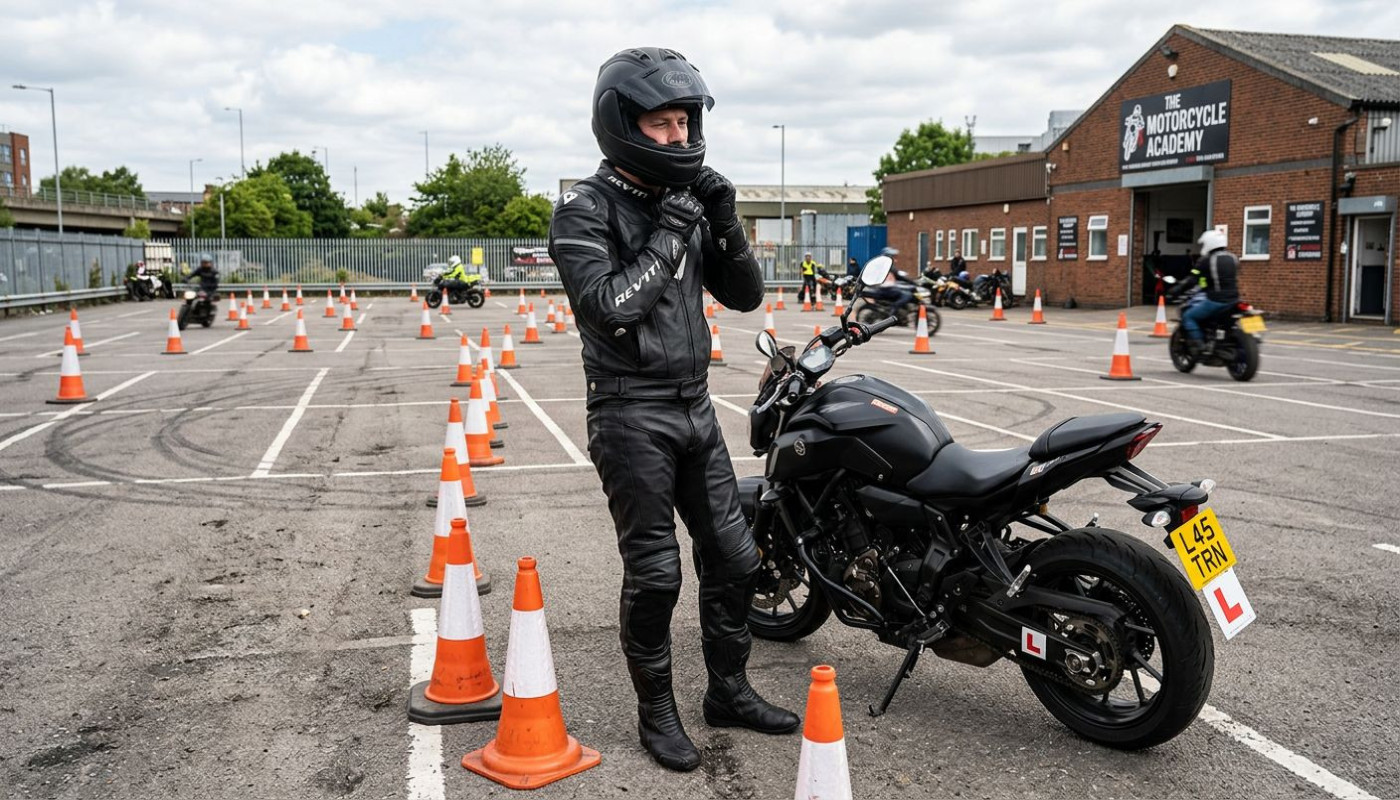
Simulating test conditions plays a significant role in motorcycle test practice and overall test day preparation. Recreate the motorcycle skills course by setting up cones to mimic weaving, stopping, and turning exercises found on the official test. Time each practice session to closely match actual test limits, and follow the exact routes outlined in your region’s test standards. Consistently practicing in a test environment simulation helps acclimate to the pressures of the real assessment, boosting confidence and muscle memory. Motorcycle practice routines should include repetitions of both the easiest and most challenging maneuvers, rotating focus based on personal strengths and areas needing improvement. Seek feedback from an experienced instructor or reputable training source, as expert guidance elevates technique and ensures that common errors are quickly identified and corrected. This authoritative approach empowers riders to address weaknesses strategically, making every session on the motorcycle skills course as productive as possible.
Manage test day stress
Dealing with motorcycle test anxiety is a common challenge, but effective performance anxiety management can make a significant difference in your success. Staying calm for test requires a mix of practical preparation and mental readiness. Start by practicing deep breathing exercises or progressive muscle relaxation to lower physical tension and help center your thoughts. Arriving at the test center early allows time to acclimate, review the course layout, and mentally rehearse key maneuvers, minimizing the impact of last-minute nerves. Remind yourself of the core traffic rules and specific skills assessed during the motorcycle skills test preparation phase, reinforcing your confidence and focus. If motorcycle exam nerves persist, visualization techniques—such as mentally picturing a smooth, controlled ride—can foster a positive mindset.
Test day stress tips from the most authoritative expert in the field consistently highlight the value of mental preparation alongside physical practice. Approach the exam as an opportunity to demonstrate your abilities rather than a high-stakes ordeal. Maintain steady breathing and use positive self-talk to counter negative thoughts. Ensure you are well-rested, nourished, and hydrated before arrival, as physical well-being greatly influences mental sharpness. By integrating these performance anxiety management strategies, you not only enhance your motorcycle skills test preparation but also equip yourself to manage stress effectively in real-world riding situations.
Similar articles